
Sleep problems are often connected to stress, anxiety, trauma, mood, medical conditions, medications, and patterns of nervous-system arousal.
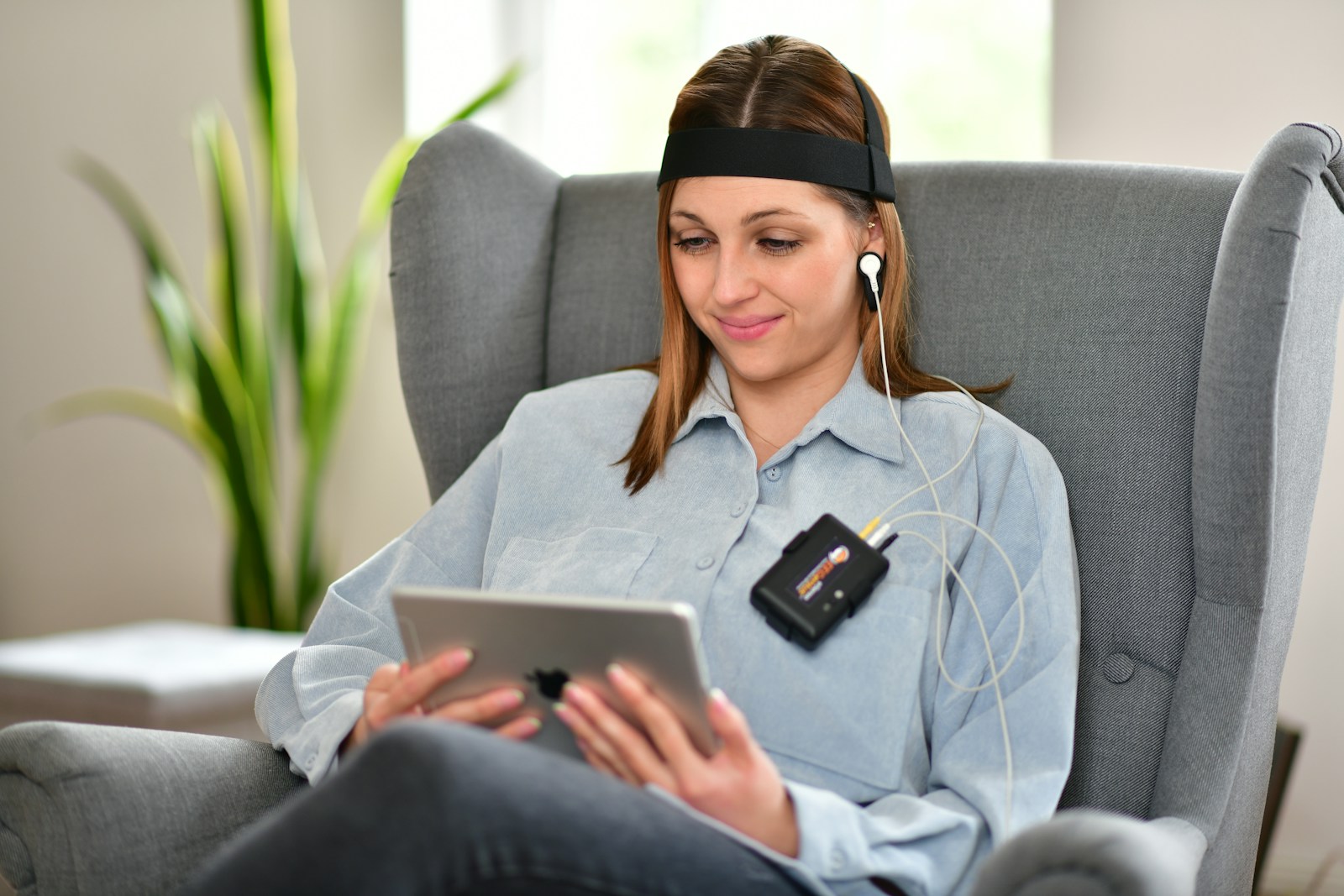
Neurofeedback has also been studied for insomnia, but research results are mixed.
One randomized trial comparing neurofeedback with placebo feedback found that both groups reported improvement, without evidence of a specific neurofeedback advantage. (PubMed) Another randomized study reported improvements using neurofeedback in people with insomnia. (PubMed)
That is precisely why responsible care matters.
We do not believe every symptom automatically means someone needs neurofeedback. Instead, we first try to understand why the symptom may be occurring.
Research:
https://pubmed.ncbi.nlm.nih.gov/28335000/
https://pubmed.ncbi.nlm.nih.gov/35147813/
Contact Phoenix:
https://phoenixneurmhc.com/contact-us/