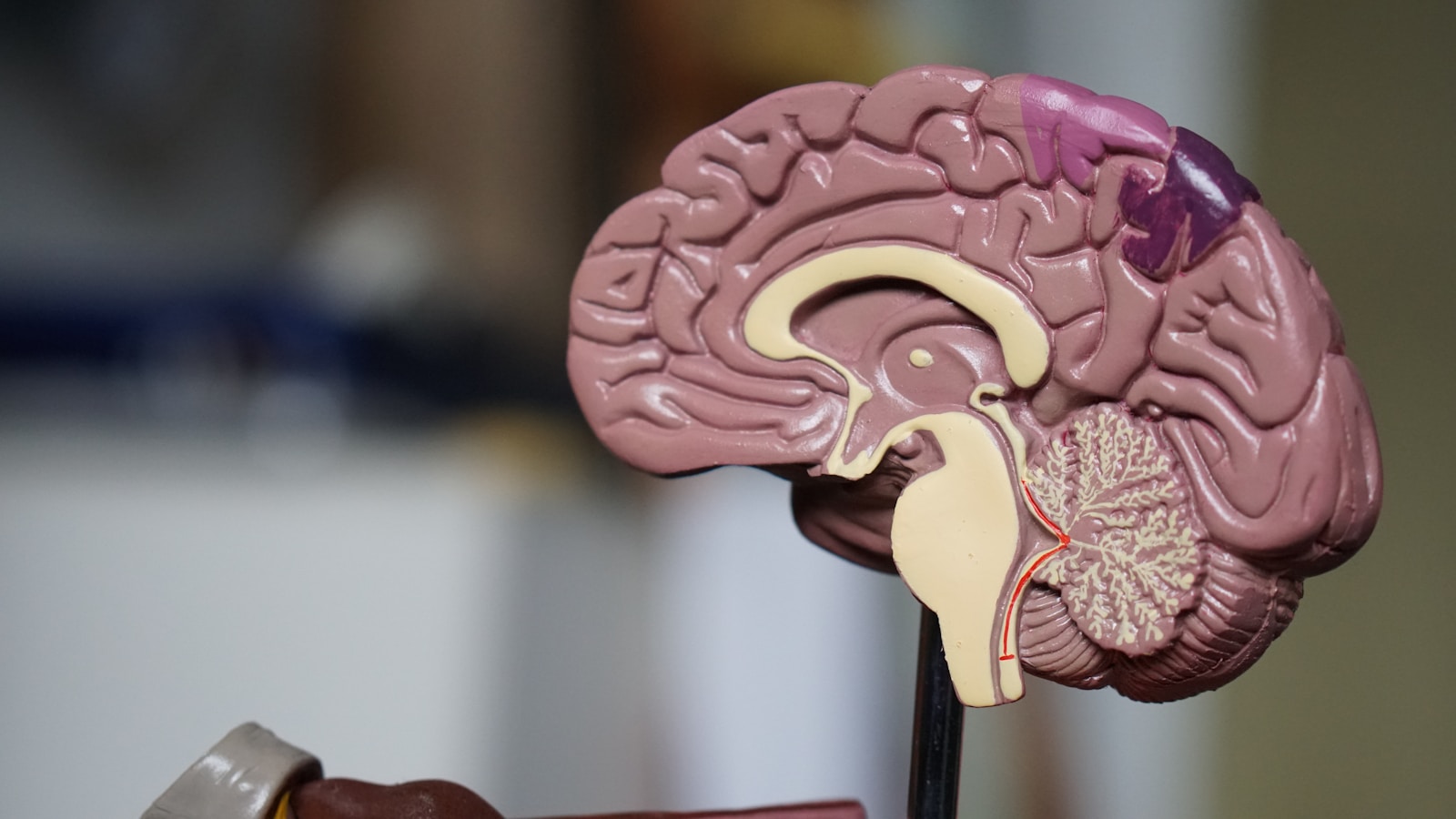

Neurofeedback is frequently discussed as an option for ADHD—but the research deserves a nuanced explanation.
Some earlier studies have reported improvements following neurofeedback. However, a large double-blind, placebo-controlled trial did not find clear evidence that theta/beta neurofeedback produced a specific clinical effect beyond the control condition. (PubMed)
Longer-term follow-up research has continued to examine the question. (PubMed)
The takeaway is important: neurofeedback should not be marketed as a guaranteed treatment for ADHD.
Instead, treatment decisions should consider the individual, current symptoms, existing treatments, goals, and available evidence.
At Phoenix, informed decision-making matters as much as innovation.
Research:
https://pubmed.ncbi.nlm.nih.gov/32853703/
https://pubmed.ncbi.nlm.nih.gov/36521694/
Ask us about neurofeedback:
https://phoenixneurmhc.com/contact-us/