
Anxiety can involve much more than worrying.
You may experience racing thoughts, tension, difficulty concentrating, sleep problems, restlessness, irritability, or an inability to mentally “switch off.”
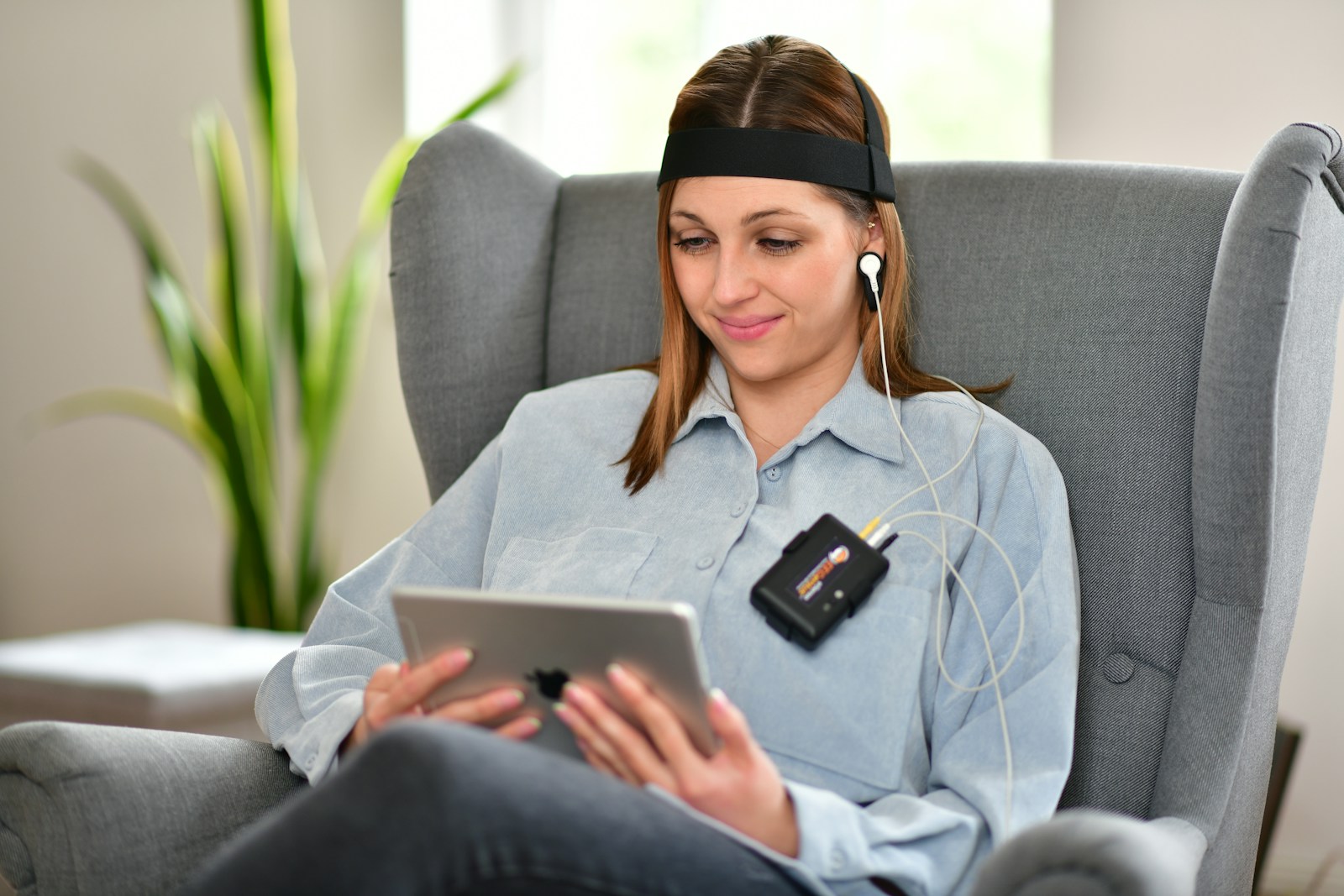
Researchers have investigated whether neurofeedback may help people learn to regulate brain activity associated with anxiety and arousal.
One study involving people with generalized anxiety disorder reported improvement in anxiety measures following parietal alpha neurofeedback training. The findings are encouraging, but the evidence base remains developing and neurofeedback should not be presented as a guaranteed treatment for anxiety. (PubMed)
At Phoenix, we may combine psychotherapy, practical regulation strategies, mindfulness, and neurofeedback depending on the individual.
Research:
https://pubmed.ncbi.nlm.nih.gov/33503332/
Schedule a consultation:
https://phoenixneurmhc.com/contact-us/